Schedule your initial consultation today and start your journey towards a pain-free, healthier smile. Contact us now!
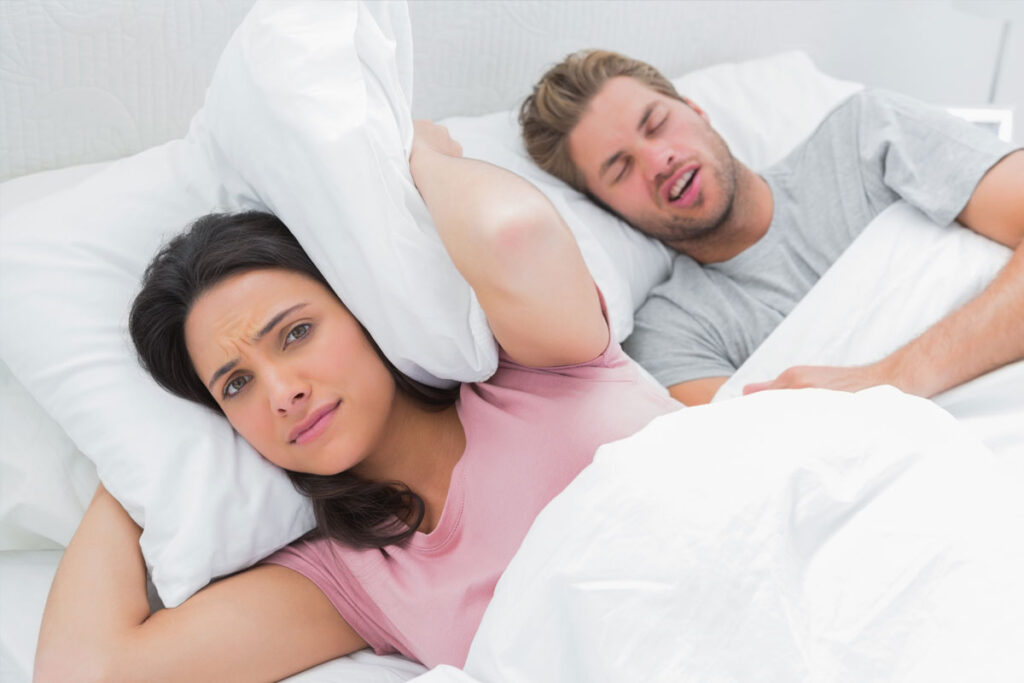
Snoring occurs when the tongue falls into the back of the throat. This narrows the airway and causes air to move quickly through the passage, resulting in the vibration of the uvula (i.e. snoring). Even though light snoring may not be life-threatening it is a significant concern/disturbance/interruption for your significant other. However, if you’re snoring advances into sleep apnea, that’s when you start getting worried and consult your doctor.
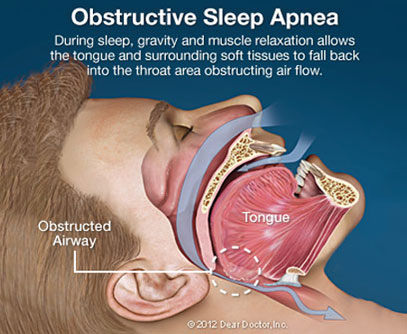
Obstructive sleep apnea (OSA) occurs when the airway completely collapses, blocking airflow into the lungs. It is a serious and life threatening condition. When the obstruction remains in place for more than 10 seconds and occurs more than five times per hour, the patient will usually suffer from chronic sleepiness, depression, high blood pressure, strokes, morning headaches and heart attacks due to hypoxia (a low level of oxygen during sleep).

Snoring is the rattling sound caused by the vibration of tissues in the back of the throat due to a partial obstruction of airflow. It is often harmless (primary snoring).
Sleep Apnea (most commonly Obstructive Sleep Apnea or OSA) is a serious medical disorder where the airway completely or partially collapses, causing breathing to repeatedly stop and start during sleep. This leads to a drop in blood oxygen levels and fragmented sleep.
Key Difference: Snoring is noisy breathing; sleep apnea involves pauses in breathing (apneas) or significantly reduced breathing (hypopneas).
Not necessarily, but it is a major warning sign. Loud, chronic, or habitual snoring is the most common symptom of Obstructive Sleep Apnea (OSA).
However, many people with primary snoring snore loudly and do not have sleep apnea.
If your snoring is accompanied by gasps, snorts, choking sounds, or witnessed breathing pauses, or if you experience excessive daytime sleepiness, you should consult a doctor.
Loud and Chronic Snoring: Often accompanied by gasping, snorting, or choking sounds that interrupt sleep.
Observed Pauses in Breathing: Noticed by a partner when a person stops breathing for several seconds throughout the night.
Excessive Daytime Sleepiness: Feeling exhausted, foggy, or struggling to stay awake during the day despite a full night's rest.
Morning Headaches and Dry Mouth: Waking up with a dull headache or an intensely dry/sore throat from mouth breathing.
Difficulty Concentrating and Irritability: Experiencing "brain fog," memory issues, or frequent mood swings due to poor sleep quality.
😴 7 Essential FAQs about Snoring & Sleep Apnea
Here are seven of the most frequently asked questions about snoring and the related condition, sleep apnea:
Snoring is the rattling sound caused by the vibration of tissues in the back of the throat due to a partial obstruction of airflow. It is often harmless (primary snoring).
Sleep Apnea (most commonly Obstructive Sleep Apnea or OSA) is a serious medical disorder where the airway completely or partially collapses, causing breathing to repeatedly stop and start during sleep. This leads to a drop in blood oxygen levels and fragmented sleep.
Key Difference: Snoring is noisy breathing; sleep apnea involves pauses in breathing (apneas) or significantly reduced breathing (hypopneas).
Not necessarily, but it is a major warning sign. Loud, chronic, or habitual snoring is the most common symptom of Obstructive Sleep Apnea (OSA).
However, many people with primary snoring snore loudly and do not have sleep apnea.
If your snoring is accompanied by gasps, snorts, choking sounds, or witnessed breathing pauses, or if you experience excessive daytime sleepiness, you should consult a doctor.
The most common symptoms, often noticed by a bed partner, include:
Loud, chronic snoring
Episodes of breathing cessation (apneas) witnessed by others
Waking up gasping or choking
Excessive daytime sleepiness (feeling tired even after a full night's sleep)
Morning headaches
Dry mouth or sore throat upon waking
Difficulty concentrating, memory problems, or irritability
Both conditions are often caused by the relaxation of muscles and tissues in the throat and mouth, which narrows the airway. Common contributing risk factors include:
Obesity/Excess Weight: Fat deposits around the neck can obstruct the airway.
Anatomy: A naturally narrow airway, large tonsils, a large tongue, or a small/recessed jaw.
Age: Muscle tone decreases as you get older.
Alcohol and Sedatives: These relax the throat muscles, worsening obstruction.
Sleep Position: Sleeping on your back often makes both snoring and apnea worse.
Nasal Congestion: A blocked nose forces mouth breathing, which can increase snoring.
Sleep apnea is diagnosed by a medical doctor or sleep specialist, usually based on a review of your symptoms and a Sleep Study (Polysomnography).
A sleep study can be conducted in a lab or sometimes at home, monitoring your breathing, oxygen levels, heart rate, and brain activity while you sleep.
The results determine the Apnea-Hypopnea Index (AHI)—the number of breathing-related events per hour—to diagnose the condition and its severity.
Treatment depends on the severity and type of apnea, but common options include:
Continuous Positive Airway Pressure (CPAP): The most common and effective treatment. A machine uses a mask to deliver pressurized air, which keeps the airway open while you sleep.
Oral Appliances: Custom-fitted dental devices that reposition the jaw and/or tongue to keep the airway open.
Lifestyle Changes:
Achieving a healthy weight.
Avoiding alcohol and sedatives before bed.
Sleeping on your side instead of your back.
Surgery: In certain cases, surgical options can address anatomical issues (e.g., removing enlarged tonsils or repositioning the jaw).
Untreated sleep apnea is associated with several serious long-term health complications because the repeated drops in oxygen and disrupted sleep put stress on your body. These risks include:
Cardiovascular Issues: High blood pressure (hypertension), heart disease, stroke, and irregular heart rhythms (atrial fibrillation).
Metabolic Issues: Increased risk of type 2 diabetes.
Accidents: Increased risk of motor vehicle and workplace accidents due to excessive daytime sleepiness.
Other Issues: Mood changes (depression/anxiety) and difficulty concentrating.




741 Dundas Street, Woodstock, ON, N4S 1E8
519.537.7135

Monday: 9:00am to 7:00pm
Tuesday: 9:00am to 7:00pm
Wednesday: 9:00am to 5:00pm
Thursday: 9:00am to 6:00pm
Friday: 9:00am to 4:00pm
Saturday: Closed
Sunday: Closed


Trustindex verifies that the original source of the review is Google. Great service, no complaints. techs and docs were patient and friendlyPosted onTrustindex verifies that the original source of the review is Google. Dr Sam is great !Posted onTrustindex verifies that the original source of the review is Google. Since being young, I have had many bad experiences with dentists. Then I found Dr. Michael's at Woodstock Dental. Such an amazing dentist and does absolutely great work and very gentle!!!! The staff there is also amazing, especially when you walk in the door, greeted by such happy friendly faces, and some who like to tease, they know who they are!!! Lol Always the best experiences here, will never go anywhere else!Posted onTrustindex verifies that the original source of the review is Google. They're all super friendly and the office is nice. Dr Zanata is doing an amazing job with my Invisalign! Highly recommend them.Posted onTrustindex verifies that the original source of the review is Google. Both the dentist and hygienist were lovely, made me comfortable, informed me through the procedure, and even gave me a chuckle. Thank you.Posted onTrustindex verifies that the original source of the review is Google. I just left my first intake appointment with this team since moving to Woodstock and WOW! they are great. More thorough than any dental clinic I've ever been to. Very gentle, very respectful, very friendly! I look forward to my future appointments and creating a plan to magnify my dental health as much as possible. I'm so pleased!Posted onTrustindex verifies that the original source of the review is Google. Every experience that I've had with Woodstock Dental Centre, is beyond professional always friendly staff. My first sleep dentistry experience, today, absolutely incredible.Load moreVerified by TrustindexTrustindex verified badge is the Universal Symbol of Trust. Only the greatest companies can get the verified badge who has a review score above 4.5, based on customer reviews over the past 12 months. Read more